Context and What It Is
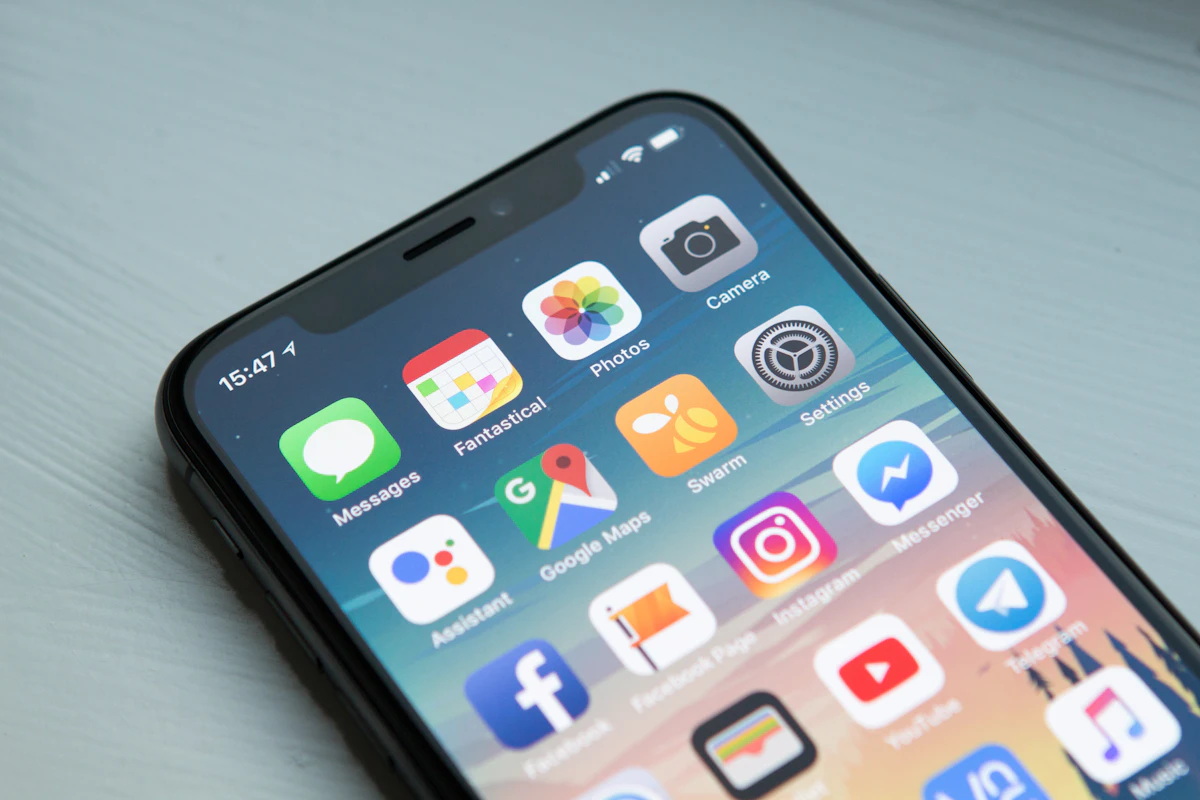
Native applications are developed specifically for an operating system like iOS or Android. Unlike web apps, they are designed to fully utilize device features, offering optimal performance and a superior user experience.
These apps are continuously evolving, especially with the rise of artificial intelligence and machine learning, providing more advanced and personalized functionalities. However, they also pose concerns about user security and privacy, given their access to device data and functions.
In-Depth Analysis
Technical Aspects of Native Applications
Developing native apps involves using programming languages specific to the operating system, such as Swift for iOS and Kotlin for Android. This allows access to native APIs, translating into superior performance and better hardware integration.
Implementation Example
A practical example is using the device's camera. A native app can directly access the camera's advanced capabilities through the APIs provided by the operating system, enabling features like facial recognition or QR code scanning.
import UIKit
import AVFoundation

class CameraViewController: UIViewController {
  var captureSession: AVCaptureSession?
  var videoPreviewLayer: AVCaptureVideoPreviewLayer?

  override func viewDidLoad() {
    super.viewDidLoad()
    setupCaptureSession()
  }

  func setupCaptureSession() {
    captureSession = AVCaptureSession()
    guard let captureDevice = AVCaptureDevice.default(for: .video) else { return }
    do {
      let input = try AVCaptureDeviceInput(device: captureDevice)
      captureSession?.addInput(input)
      videoPreviewLayer = AVCaptureVideoPreviewLayer(session: captureSession!)
      videoPreviewLayer?.videoGravity = .resizeAspectFill
      videoPreviewLayer?.frame = view.layer.bounds
      view.layer.addSublayer(videoPreviewLayer!)
      captureSession?.startRunning()
    } catch {
      print(error)
    }
  }
}
Success Stories
Companies like Spotify and Instagram have leveraged the advantages of native apps to offer seamless and personalized user experiences, integrating advanced features such as machine learning-based recommendations.
Benefits and Challenges
Benefits
- Superior Performance: Native apps are faster and more efficient.
- Enhanced User Experience: Fully exploit the device's features.
- Security: Greater control over user data security and privacy.
Challenges
- Development Costs: Requires more time and resources to develop apps for multiple platforms.
- Frequent Updates: Need to maintain and update apps regularly to ensure efficiency and security.
Practical Application in Mexico/Latin America
Companies in Mexico and Latin America can leverage native applications to improve customer interactions, using customized features and localized services. This is especially relevant in industries like e-commerce and banking, where security and personalization are paramount.
Conclusion
Native apps offer great potential to enhance user experience and security. However, addressing development and cost challenges is crucial to maximizing their benefits. At GAESSOFT, we are committed to helping businesses implement efficient and secure software solutions. Ready to take your app to the next level? Contact us today.